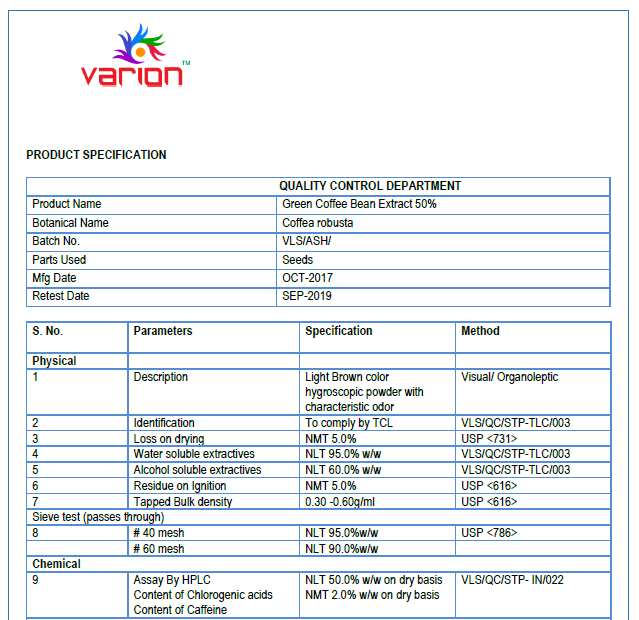
Green coffee bean extract contains several bioactive compounds including caffeine and chlorogenic acids which may account for its healthful properties.
Green coffee bean powder caffeine content.
Caffeine content of green coffee bean varies from brand to brand with about 20 50 milligrams of caffeine per capsule.
Some possible traditional uses of green coffee bean extract powder may include.
Mix 1 4 teaspoon 1g with juice or water 30 minutes before each meal.
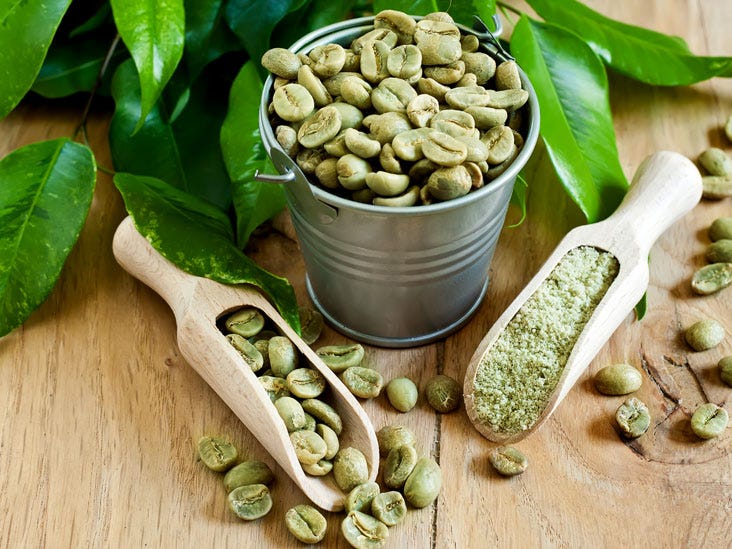
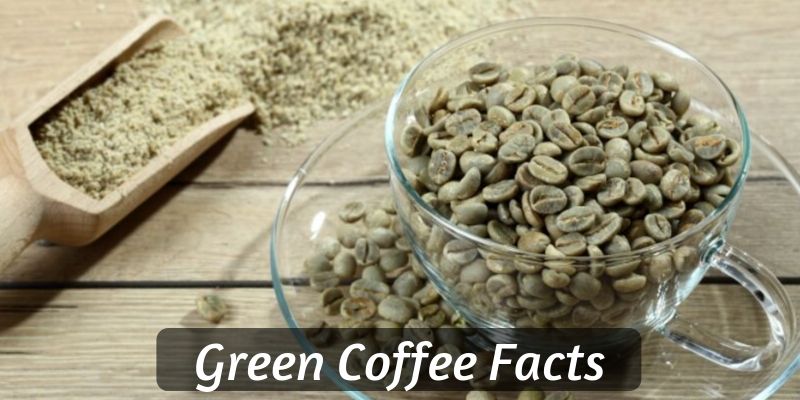
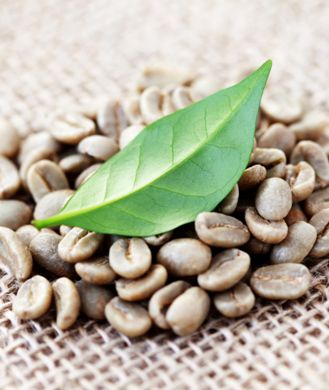
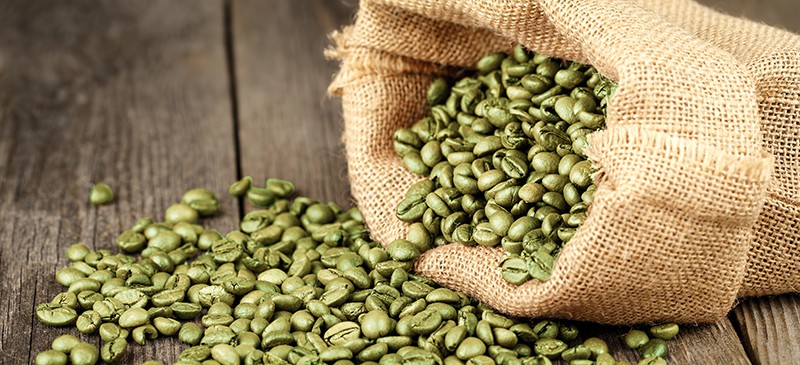
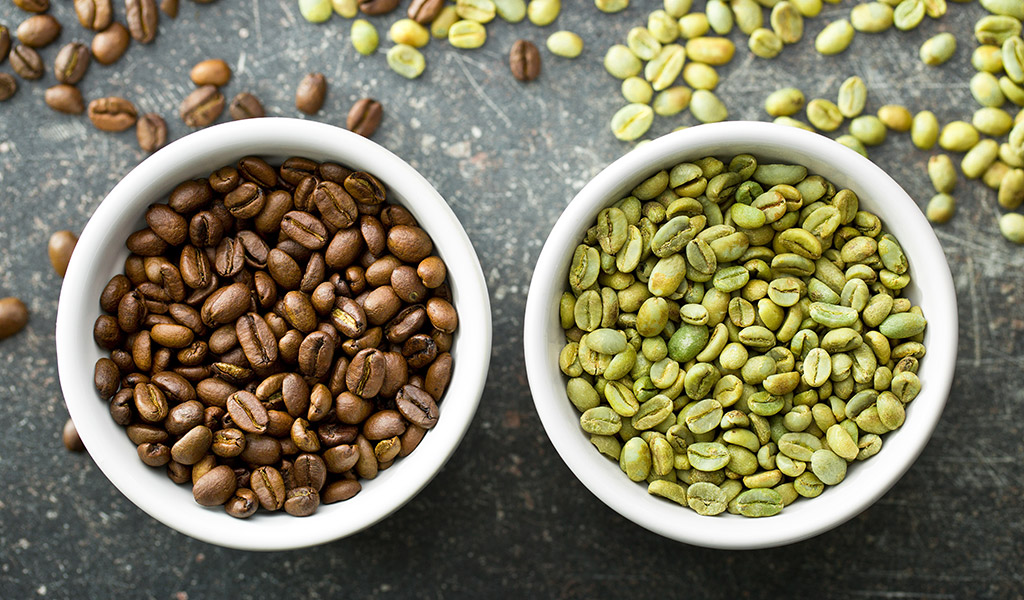
Green coffee beans are raw unroasted coffee beans.
Compared to drinking a regular cup of coffee green coffee bean can have similar amounts of caffeine but this ultimately depends on the dosage you take how many capsules taken at once and how many times per day.
This is about half the amount of a can of soda.
Green coffee is largely safe but may have several potential risks effects of excess caffeine.
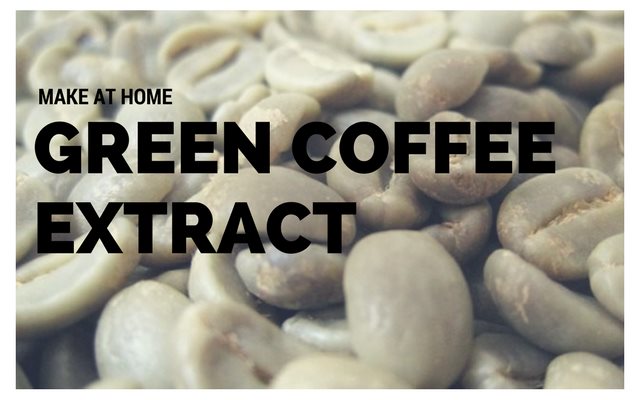
Take a measured amount of green coffee beans powder and add it to the boiled hot water.
Much like roasted coffee green coffee beans naturally contain caffeine.
The caffeine content of a cup of coffee can vary considerably depending on the brewing method the type of bean and the quantity of coffee.
Green coffee extracts taken in doses up to 480 mg daily have been used safely for up to 12 weeks.
Because of media attention green coffee has become a.
Neurogan organic green coffee bean powder extract with ingredients to help support normal weight loss 7oz 200g maximum strength chlorogenic acid 100 organic non gmo vegan friendly natural raw green coffee bean extract extra strength pure premium antioxidant beans 800 mg max fat burner supplement super cleanse pills for weight loss.
One gram of green coffee bean extract naturally contains 40 mg of caffeine which is equivalent to.
Coffee is probably the most popular source of caffeine.
Weight loss consuming caffeine may help.
Thus it better to purchase it from the market.
Side effects safety green coffee is possibly safe when taken by mouth appropriately.
Green coffee beans extract actually only contains about 10 of caffeine per its weight meaning that in an average 200 mg dose there is 20 mg of caffeine.
The roasting process seems to destroy some of the healthy natural chemicals in the beans.
Smell texture color and caffeine content may vary from batch to batch.